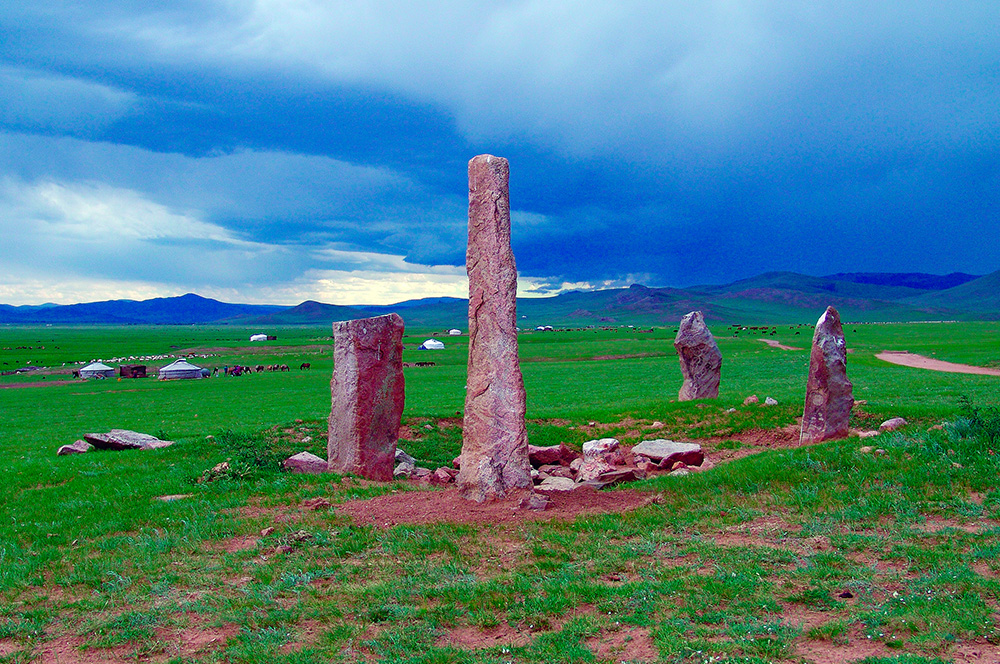
The Uvs Nuur Basin (1,068,853 ha): is the northernmost of the closed basins of Central Asia. It takes its name from Lake Uvs Nuur, a large, shallow, and highly saline lake, important for migratory birds, waterfowl, and seabirds. The site is composed of twelve protected areas that represent the major biomes of eastern Eurasia. The steppe ecosystem hosts a rich diversity of birds, while the desert is home to several rare jerboas, gerbils, and marbled polecats. The mountains serve as an important refuge for the snow leopard, the mountain sheep (argali), and the Asiatic ibex, all globally endangered species.
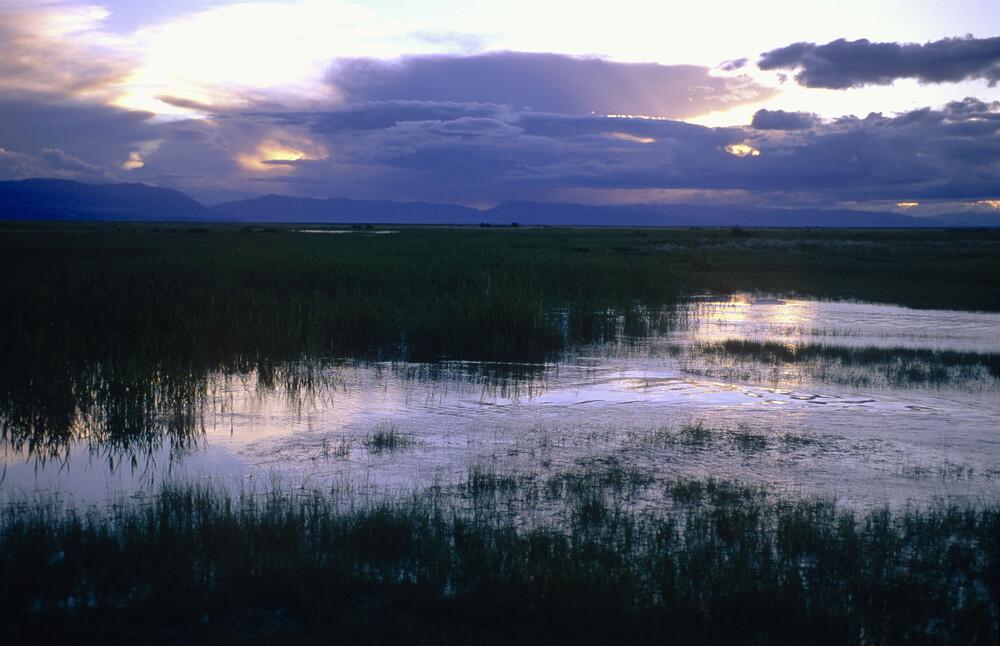
The Orkhon Valley Cultural Landscape: (121,967 ha), located in Arkhangai Province, Uvurkhangai Province, Bulgan Province, and Selenge Province, encompasses an extensive area of pastureland on both banks of the Orkhon River and includes numerous archaeological remains dating back to the 6th century.
The site also includes Karakorum, the 13th and 14th-century capital of the vast Empire of Chingis (Genghis) Khan. Collectively, the remains reflect the symbiotic links between nomadic pastoral societies and their administrative and religious centers, as well as the importance of the Orkhon Valley in the history of Central Asia.
The grassland is still grazed by Mongolian nomadic herders.
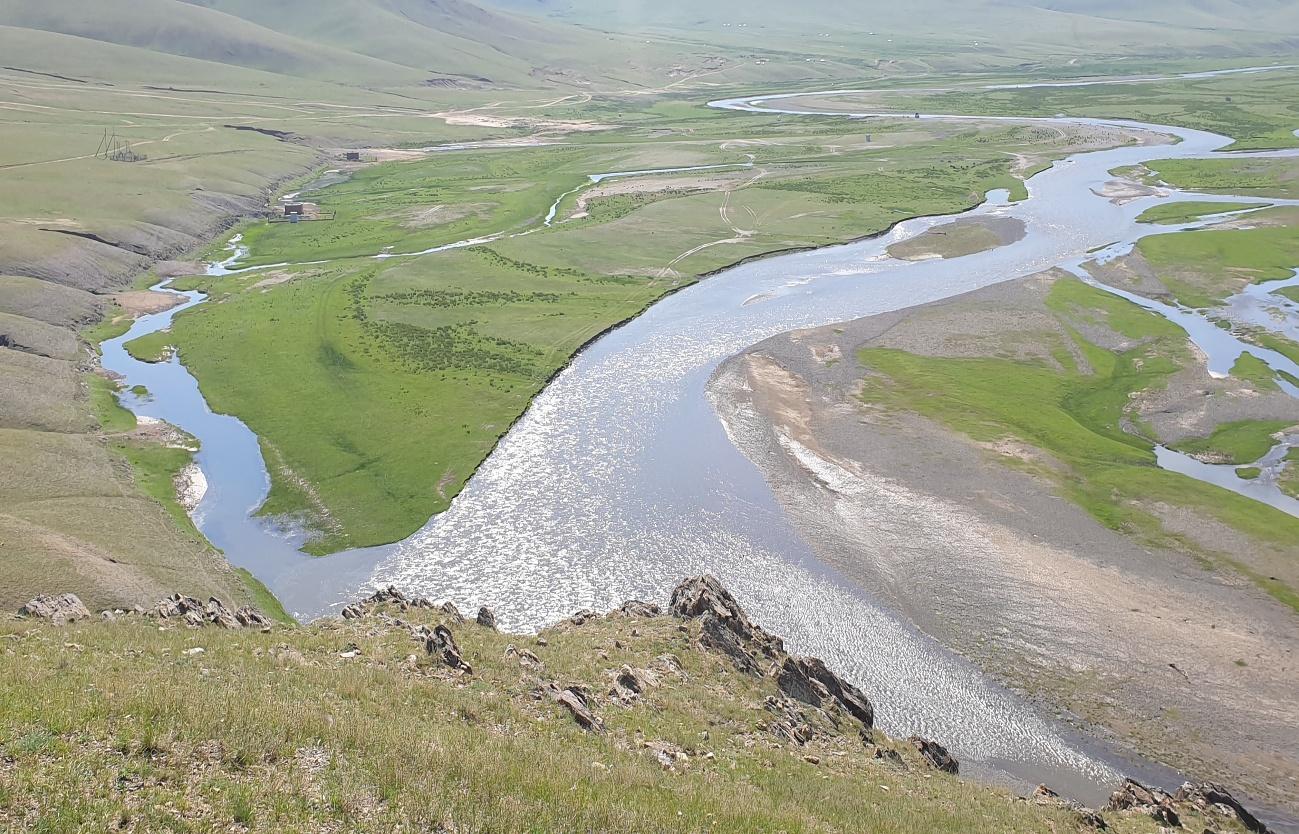
The numerous petroglyphs and funerary monuments in the Mongolian Altai: Found at these three sites, they illustrate the development of culture in Mongolia over a period of 12,000 years. The earliest images reflect a time (11,000–6,000 BC) when the area was partially covered by forests and the valley provided a habitat for big-game hunters. Later images show the transition to herding as the dominant way of life. The most recent images depict the transition to a nomadic lifestyle dependent on horses during the first millennium BC, the Scythian period, and the later Turkic period (7th and 8th centuries AD). The carvings provide valuable contributions to our understanding of prehistoric communities in northern Asia.
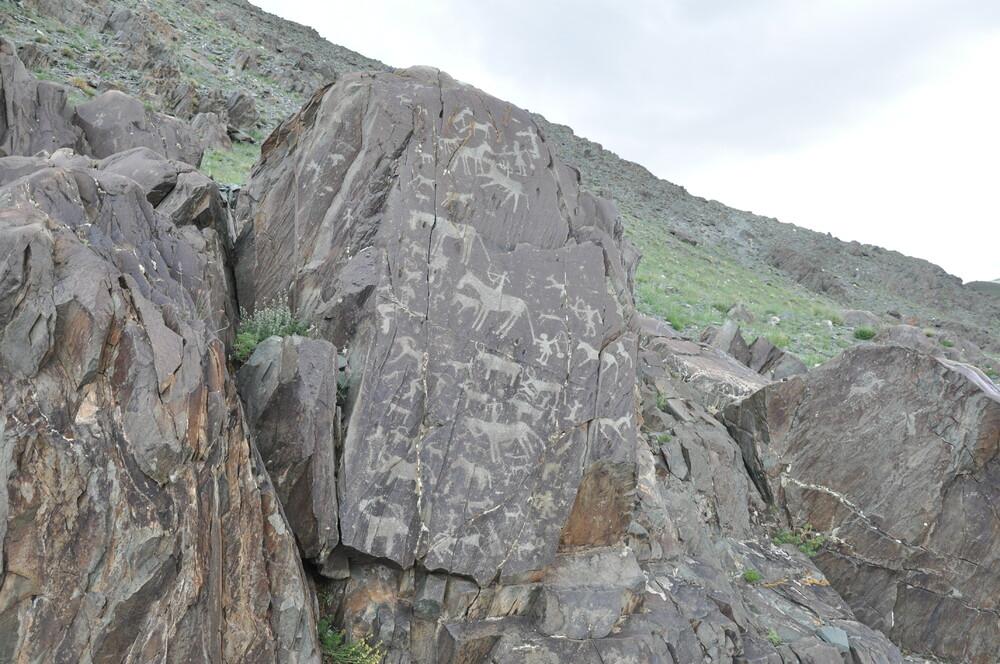
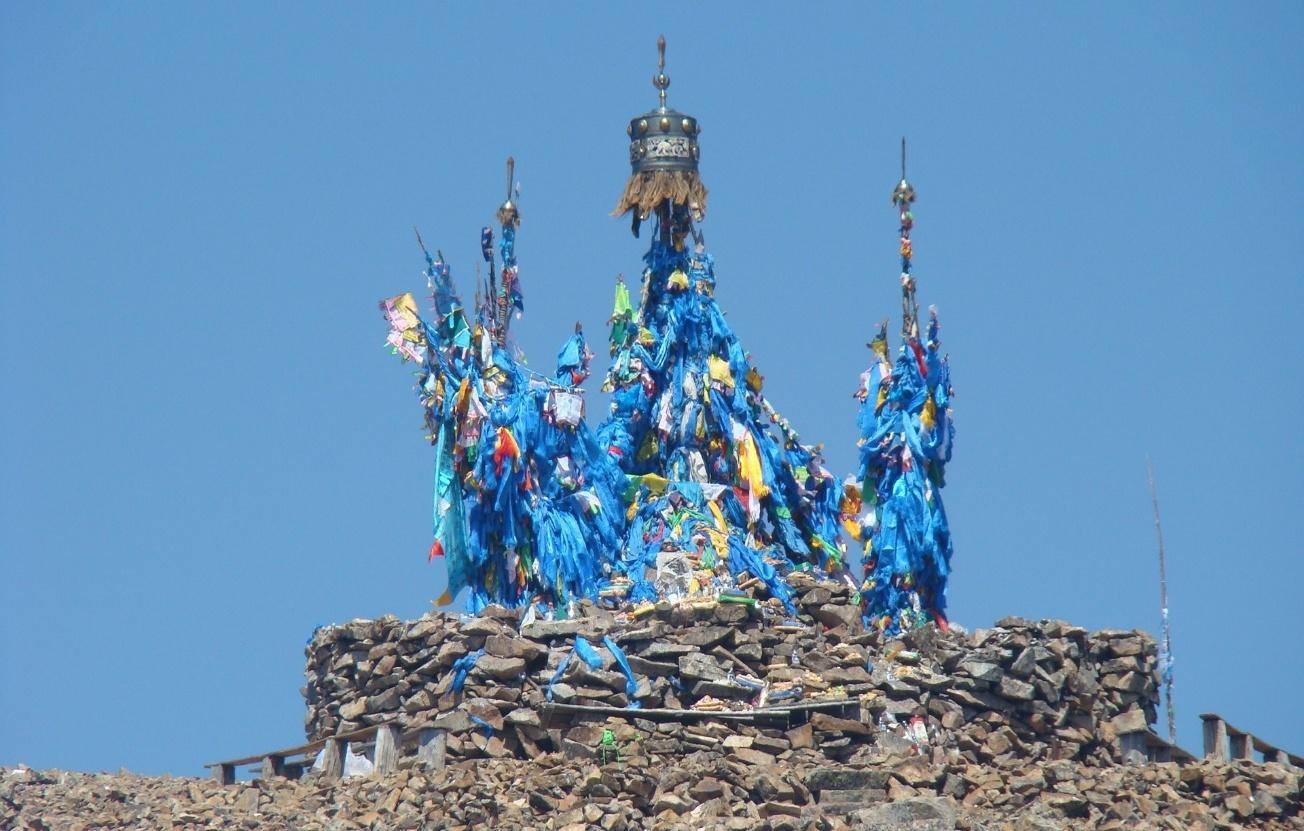
Great Sacred Mountain Burkhan Khaldun and its surrounding sacred landscape: Located in Khentii Province, the site lies in the northeast of the country, in the central part of the Khentii mountain range, where the vast Central Asian steppe meets the coniferous forests of the Siberian taiga. Burkhan Khaldun is associated with the worship of sacred mountains, rivers, and ovoo (shamanic stone cairns), where ceremonies have been shaped by a fusion of ancient shamanistic and Buddhist practices. The site is also believed to be the birthplace and burial place of Genghis Khan. It bears witness to his efforts to establish mountain worship as an important part of the unification of the Mongol people.
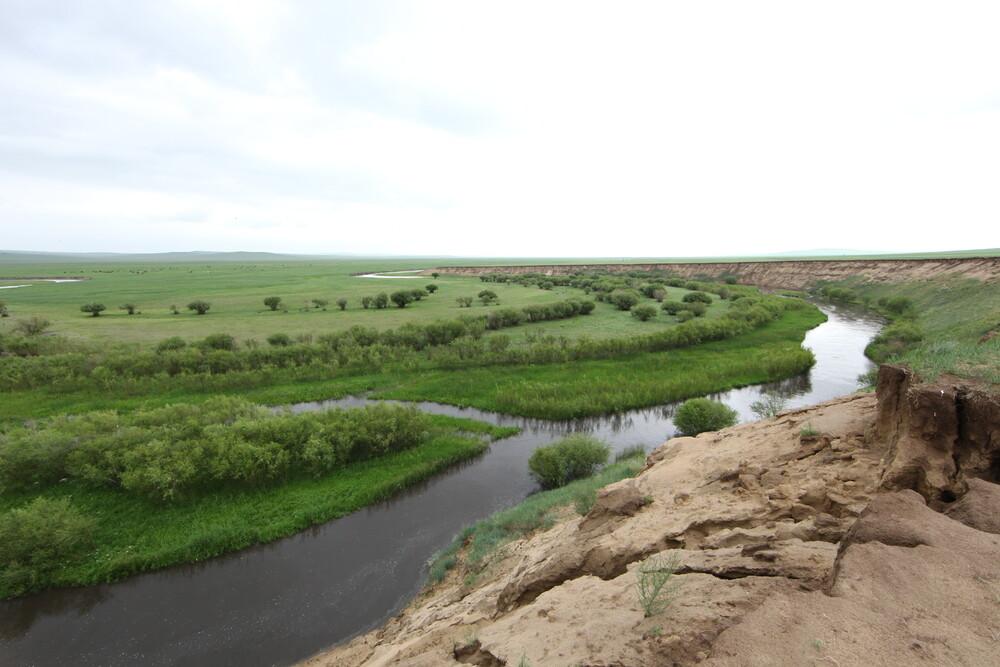
Daurian Steppe Landscapes: Located in Dornod Province, the easternmost of Mongolia’s 21 aimags (provinces). Its capital is Choibalsan. This site is an outstanding example of the Daurian steppe ecoregion, which stretches from eastern Mongolia into Russian Siberia and northeastern China. Cyclical climate changes, with distinct wet and dry periods, create a wide diversity of species and ecosystems of global significance. The different types of steppe ecosystems represented—grasslands, forests, lakes, and wetlands—provide habitat for rare wildlife species such as the white-naped crane, great bustard, relict gull, and swan goose, as well as millions of vulnerable, endangered, or threatened migratory birds. It is also a critical site along the transboundary migration route of the Mongolian gazelle.
Deer Stone Monuments and Related Bronze Age Sites: Located in Arkhangai, Ovorkhangai, and Khuvsgul Provinces, set on the slopes of the Khangai mountain range in central Mongolia. These deer stones were used for ceremonial and funerary practices. Dating between 1200 and 600 BC, they stand up to four meters tall and are placed directly into the ground, alone or in groups, almost always in complexes that include large burial mounds called khirgisüürs and sacrificial altars. Covered with carvings of highly stylized or representative deer, the deer stones are the most important surviving structures of the Eurasian Bronze Age nomadic culture, which evolved and then gradually disappeared between the 2nd and 1st millennia BC (UNESCO/BPI).