

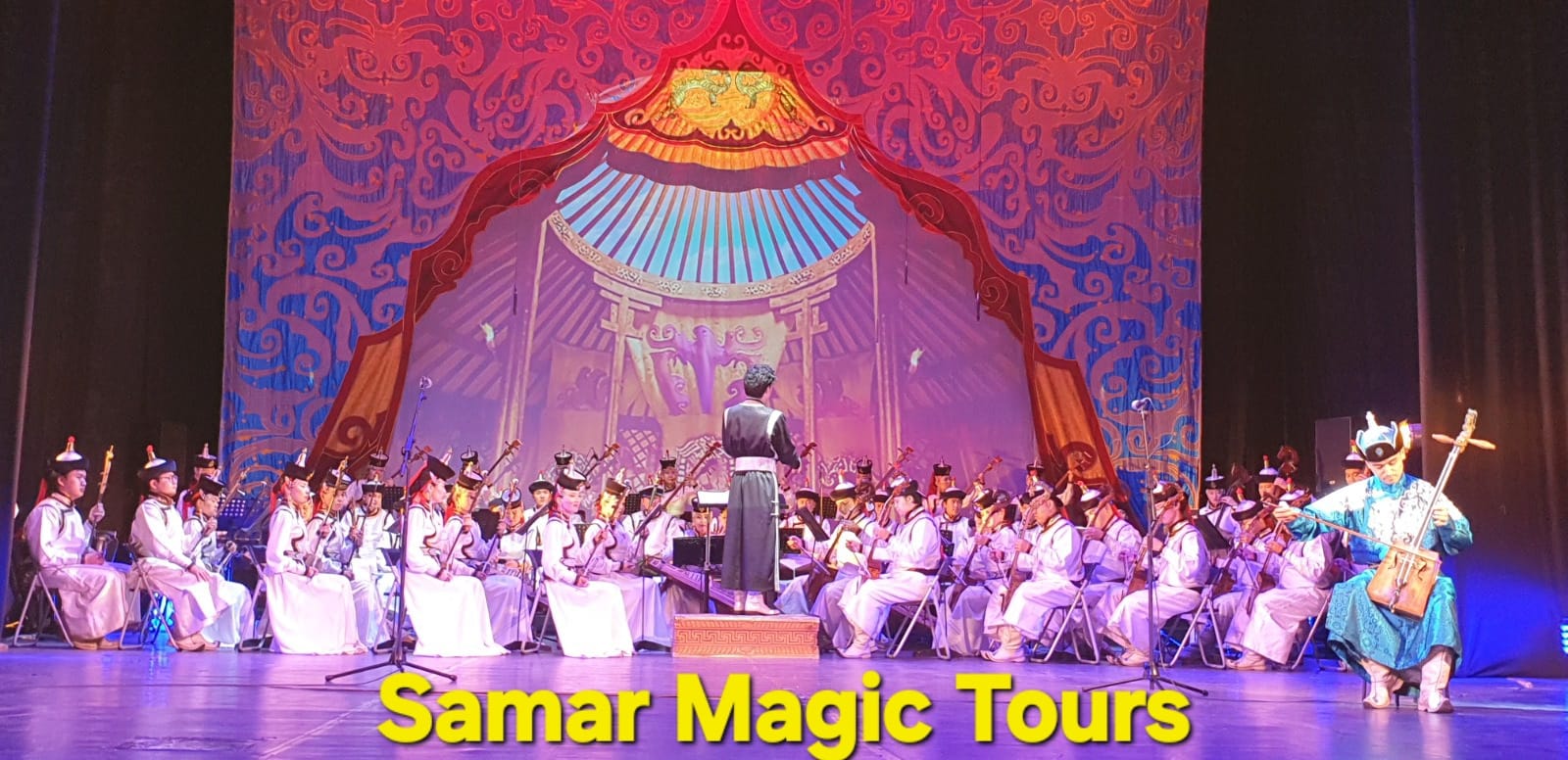
1. Traditional music of the Morin Khuur (Mongolia): Intangible cultural heritage inscribed in 2008 (originally proclaimed in 2003).
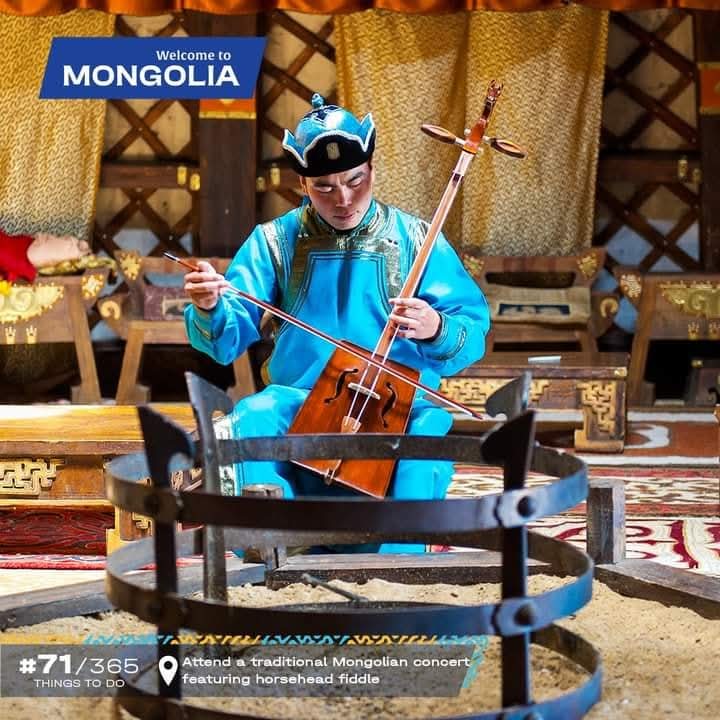
For over seven centuries, the two-stringed fiddle known as the *morin khuur* has held a prominent place in Mongolian nomadic culture. Written sources dating back to the Mongol Empire of the 13th and 14th centuries mention string instruments featuring a neck topped with a horse’s head. The instrument’s significance extends beyond its role as a mere musical instrument; traditionally, it was an integral part of the rituals, ceremonies, and daily lives of Mongolian nomads.
The unique design of the *morin khuur* is closely linked to the cult of the horse— the people’s most cherished animal. The instrument’s hollow, trapezoidal body extends into a long, fretless neck topped with a carved horse’s head. Just below, two tuning pegs protrude from either side of the neck, resembling ears. The soundbox is covered with animal skin, while the strings and bow are made of horsehair. Despite its seemingly simple construction, the *morin khuur* produces an astonishing range of expressive sounds. Its characteristic tone is created by rubbing or striking the two strings with the bow. Common playing techniques involve strumming motions with the bow while simultaneously fingering the strings with the left hand. While often played as a solo instrument, it can also accompany dances, songs (*urtyn duu*), mythical storytelling, ceremonies, and daily horse-tending tasks. The *morin khuur* repertoire preserves ancient musical themes (*tatlaga*) originally intended for taming animals. Because the simultaneous production of a fundamental tone and harmonics makes the music difficult to transcribe using classical notation systems, it has traditionally been passed down from master to student and from generation to generation.
Over the past forty years, the majority of Mongolians have migrated to urban centers, far removed from the historical and spiritual context of the *morin khuur*. Furthermore, the instrument’s tuning has been adapted to the technical demands of concert hall performance, resulting in higher-pitched and louder sounds at the expense of tonal subtleties. Fortunately, pastoral communities in southern Mongolia have preserved the art of the *morin khuur*, along with the associated rituals and customs. (UNESCO/BPI).
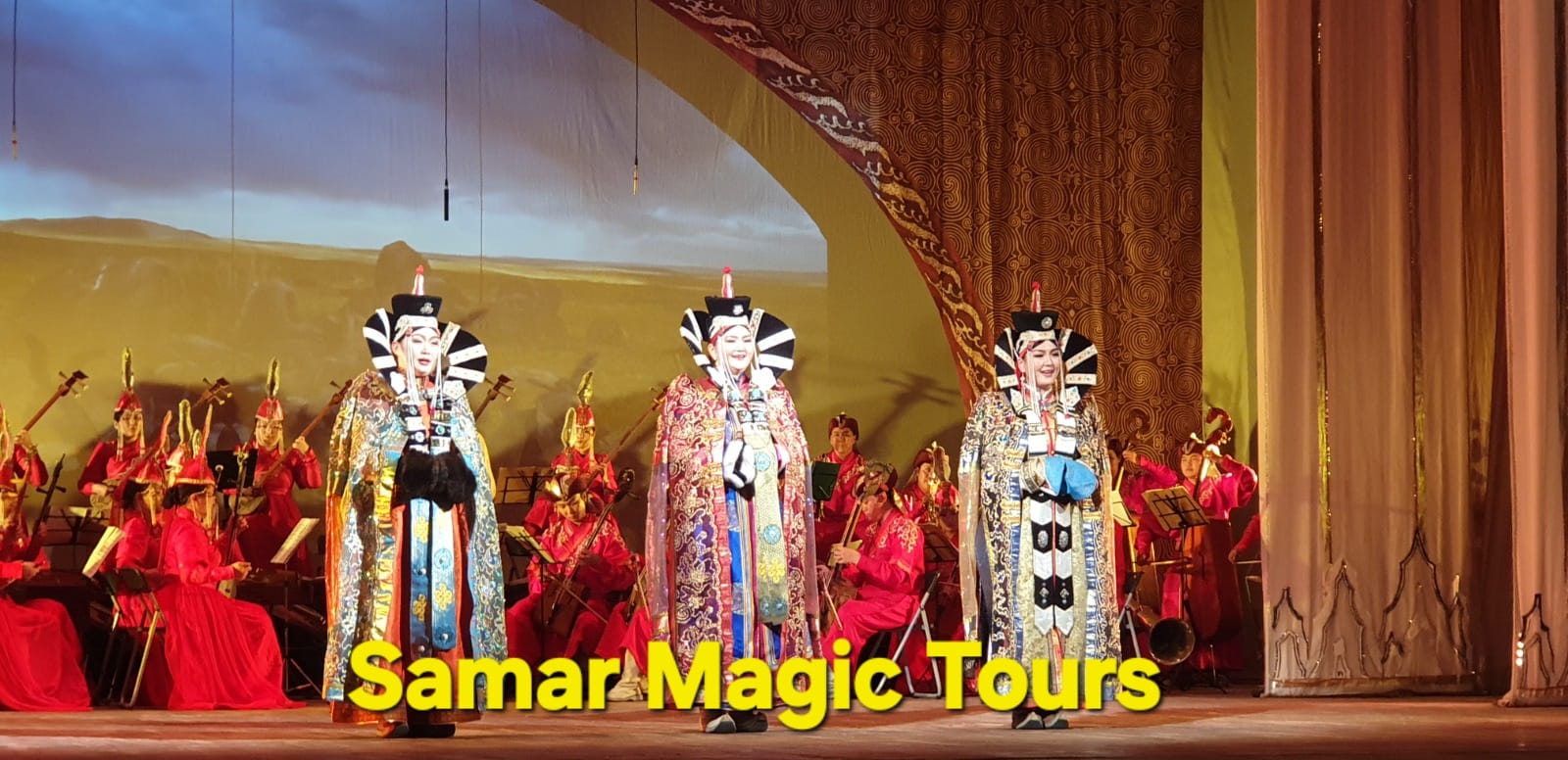
2. Urtiin duu – traditional Mongolian long song: Intangible cultural heritage inscribed in 2008 (originally proclaimed in 2005).
Urtiin duu, or “long song,” is one of the two main forms of Mongolian singing; the other is the “short song” (*Bogino duu*). It holds a special place in Mongolian society and is revered as an expression linked to important celebrations and festivities. Urtiin duu is sung at weddings, housewarmings, the birth of a child, the branding of foals, and other social events celebrated by Mongolia’s nomadic communities. Urtiin duu may also be performed at the Mongolian Naadam Festival, an event featuring wrestling, archery, and horse racing competitions.
Urtiin duu is a lyrical song characterized by ornamentation, falsetto, an extremely wide vocal range, and a free-form composition style. The ascending melody is slow and steady, while the descending melody is often punctuated by a lively rhythm. Urtiin duu performances and compositions are closely linked to the ancestral lifestyle of Mongolian nomads on their pastures.
Urtiin duu is believed to have originated 2,000 years ago. References to it appear in literary works dating back to the 13th century. A rich variety of regional styles has been preserved to this day, and contemporary performances and compositions continue to play a significant role in the social and cultural life of nomads living in Mongolia.
Since the 1950s, urbanization and industrialization have progressively replaced traditional nomadic lifestyles, leading to the loss of many traditional practices and expressions. Parts of the grasslands where the bearers of the tradition lived as nomads have fallen victim to desertification, forcing many families to adopt a sedentary lifestyle in which many of the classic themes of *Urtin duu*—such as the praise of nomadic virtues and experiences—lose their meaning. (UNESCO/BPI).
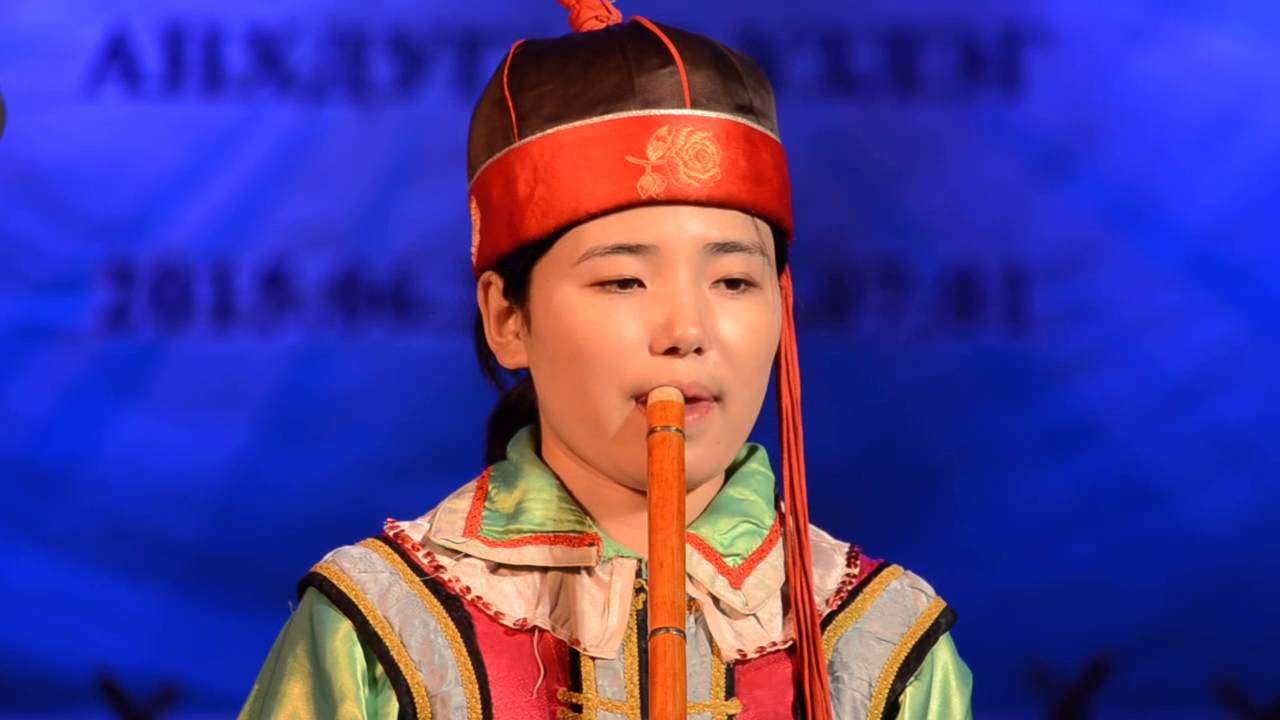
3. Traditional music for the Tsuur: An intangible cultural heritage element inscribed in 2009 on the List of Intangible Cultural Heritage in Need of Urgent Safeguarding.
Music for the tsuur combines instrumental and vocal performance, blending sounds produced simultaneously by the instrument and the musician’s throat. Intimately linked to the culture of the Uriankhai Mongol groups inhabiting the Altai region, this music remains part of their daily lives today. Its origins lie in an ancient practice of worshipping nature and its protective spirits, which involved imitating the sounds of natural elements. The tsuur is a wooden wind instrument shaped like a vertical tube, featuring three finger holes. By pressing the front teeth against the mouthpiece while simultaneously using the throat, the player creates a unique timbre composed of a buzzing sound and a clear, soft tone. Traditionally, the tsuur is played to invoke a successful hunt, favorable weather, or a safe journey, as well as to bless weddings and other festivities. Beyond being an art form, the music conveys the innermost feelings of the solitary traveler and connects human beings with nature. Traditional tsuur music has been declining for decades due to neglect and the younger generation’s lack of reverence for religious beliefs and folk customs; in many areas, neither tsuur players nor families owning the instrument remain. The forty instruments currently recorded are preserved within the Uriankhai Mongol community, and the music is transmitted solely through the memory of successive generations, placing this highly vulnerable art form at risk of disappearing. (UNESCO/ICH).
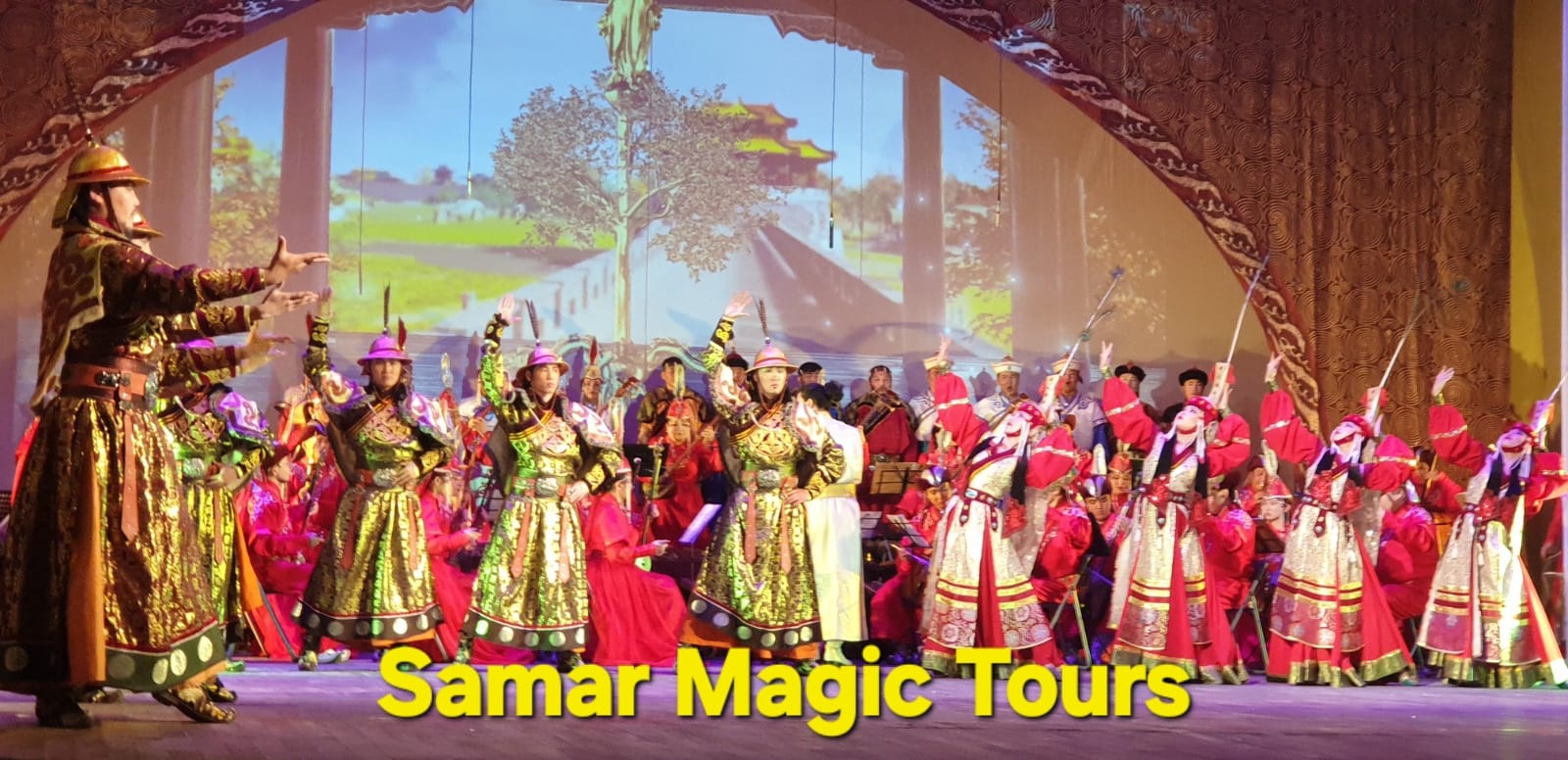
4. Mongolian Tuuli: Mongolian Epic – An intangible cultural heritage element inscribed in 2009 on the List of Intangible Cultural Heritage in Need of Urgent Safeguarding.
The Mongolian Tuuli is an oral tradition comprising epic tales ranging from several hundred to several thousand verses, combining blessings, panegyrics, incantations, idioms, fairy tales, myths, and folk songs. It is considered a living encyclopedia of Mongolian oral traditions and immortalizes the heroic history of the Mongolian people. Performers are distinguished not only by their prodigious memory and exceptional artistic talent in singing, vocal improvisation, and musical composition, but also by their theatrical flair. These epic songs are performed to the accompaniment of musical instruments such as the *morin khuur* (horse- head fiddle) and the *tovshuur* (lute). Performances take place at a wide variety of social and public events, including official ceremonies, weddings, a child’s first haircutting ceremony, Naadam games (wrestling tournaments, archery contests, and horse races), and rituals honoring sacred sites. These epic narratives have evolved over the centuries, reflecting nomadic lifestyles, social behaviors, religious beliefs, mindsets, and the popular imagination. Performers cultivate this traditional art form across generations, learning, practicing, and passing down techniques from parent to child within the family circle. Through these epic tales, Mongolians transmit their values to younger generations, thereby reinforcing their sense of national identity, pride, and unity. However, the number of masters and apprentices in the art of epic storytelling is currently declining. As the tradition gradually disappears, the entire system for transmitting historical and cultural knowledge is severely compromised. (UNESCO/ICH).
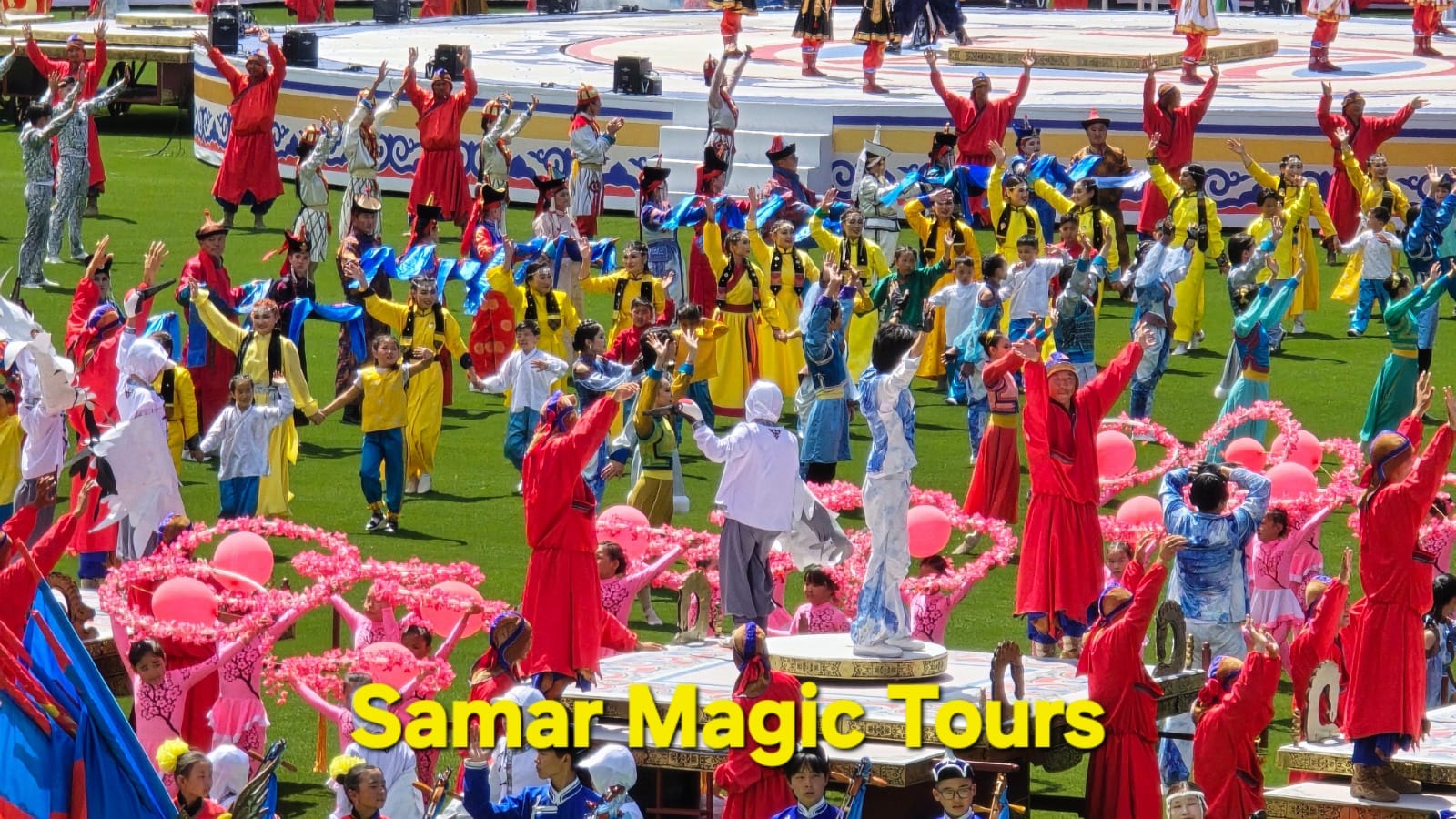
5. Mongolian Biyelgee, a traditional Mongolian folk dance: Intangible cultural heritage inscribed in 2009 on the List of Intangible Cultural Heritage in Need of Urgent Safeguarding.
Mongolian Biyelgee is a traditional folk dance performed by dancers from various ethnic groups in the Mongolian provinces of Khovd and Uvs. Considered the primordial ancestor of Mongolian national dances, Biyelgee embodies the nomadic way of life from which it originates. It is typically performed within the confined interior space of the *ger* (nomadic dwelling), with the dancer in a semi- seated or cross-legged position. Movements of the hands, shoulders, and legs evoke aspects of the Mongolian lifestyle—particularly domestic chores, customs, and traditions—as well as the spiritual traits characteristic of the different ethnic groups. Biyelgee dancers wear costumes and accessories featuring color combinations, artistic motifs, embroidery, hand-knitting, quilting, leather trim, and gold and silver jewelry distinctive to their specific ethnic community. Mongolian Biyelgee plays an important role in family and community events such as festivals, celebrations, weddings, and work related activities. Furthermore, it serves as an expression of diverse ethnic identities while simultaneously fostering family unity and mutual understanding among Mongolian ethnic groups. Traditionally, it is passed down to younger generations through learning sessions or lessons within the family, clan, or neighborhood. Today, most of those who transmit Mongolian Biyelgee are elderly, and their numbers are dwindling. Moreover, the diversity inherent in this dance is at risk of disappearing, as there are very few remaining practitioners who know the distinct variants associated with the various ethnic groups. (UNESCO/ICH).
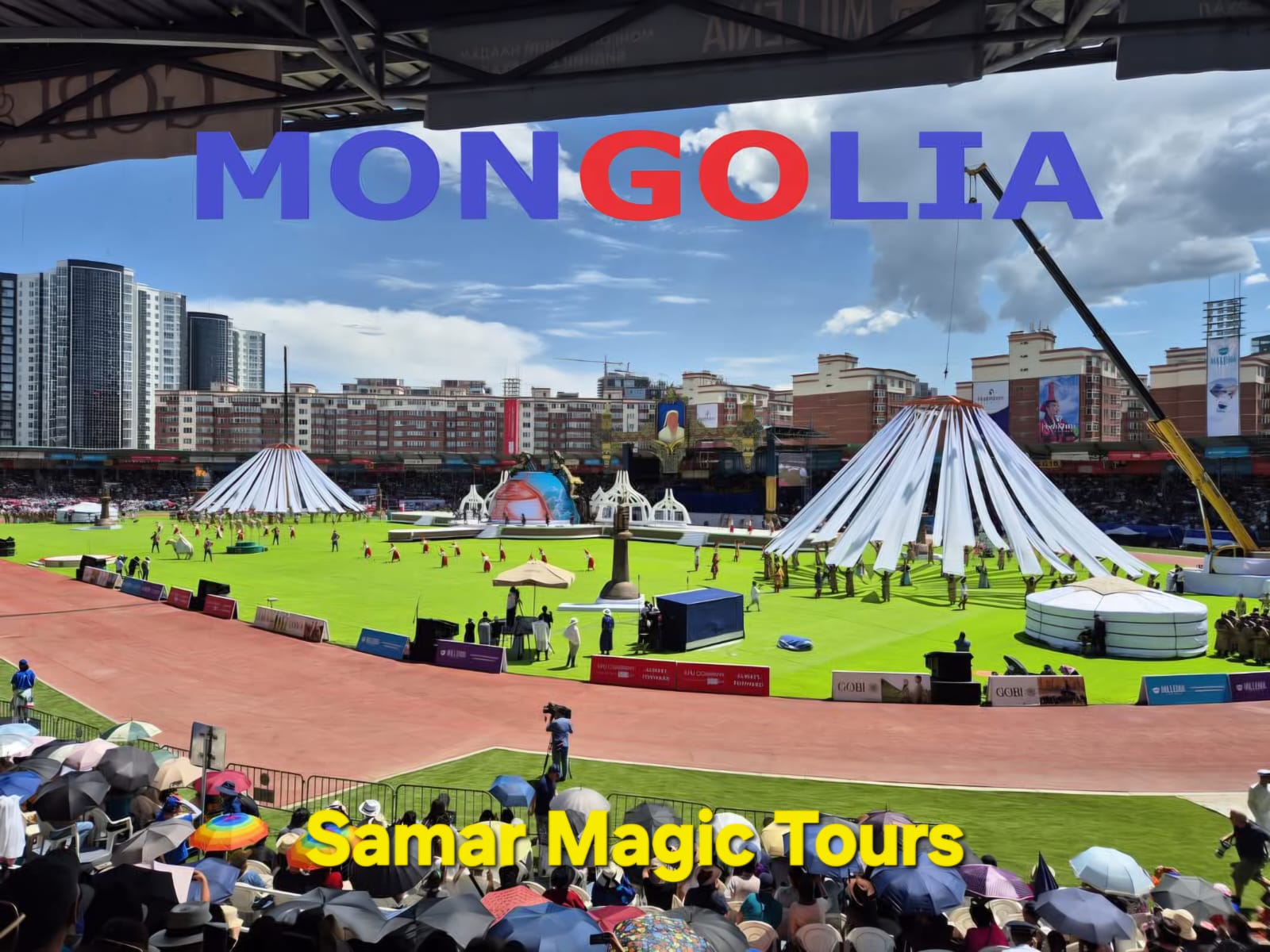
6. Mongolia’s Naadam Festival: Intangible cultural heritage inscribed in 2010.
The National Naadam Festival takes place annually from July 10 to July 12 throughout Mongolia. It centers on three traditional sports: horse racing, wrestling, and archery. Naadam is closely linked to the nomadic lifestyle of the Mongolian people, who have long engaged in herding livestock across the vast steppes of Central Asia. Oral traditions, performing arts, the preparation of national dishes, craftsmanship, and cultural expressions—such as *khöömei* throat singing, *bie biyelgee* dance, and the use of the *morin khuur* (horse-head fiddle)—also play a prominent role in the festival. During the event, Mongolians observe specific rituals and practices, such as wearing special attire and using distinctive instruments and sports equipment. Participants hold the athletes—men, women, and children—in high regard, and winners receive awards in recognition of their triumphs. Ritual prayers are chanted and poems recited in honor of the competitors. By encouraging and allowing everyone to take part, the festival fosters community participation and social cohesion. The sports practiced at the festival reflect the Mongolian way of life and living conditions; while transmission to younger generations traditionally occurs through family-based learning, formal training systems for wrestling and archery have recently been established. Furthermore, Naadam rituals and customs emphasize respect for nature and the environment. (UNESCO/BPI).
7. The Traditional Mongolian Art of Khöömei: Intangible cultural heritage element inscribed in 2010.
Khöömei is a form of singing originating in the Altai Mountains of western Mongolia. The singer imitates sounds from nature, simultaneously producing two distinct vocal sounds: a continuous low-pitched drone and a melody of harmonics. Khöömei—a word literally meaning “pharynx”—is believed to be a type of singing learned from birds, whose spirits play an essential role in shamanic practices. The numerous techniques of Mongolian khöömei are grouped into two main styles: *kharkhiraa* (deep khöömei) and *isgeree* (whistled khöömei). In *kharkhiraa*, the singer produces a drone in the throat while emphasizing the low voice or sub- harmonic of the octave below. In *isgeree*, high-pitched tones above the fundamental drone note are emphasized, creating a sharp whistling sound. In both cases, the drone is produced by keeping the vocal cords under high tension, while the melody is created by modulating the size and shape of the oral cavity, opening and closing the lips, and moving the tongue. Mongolian nomads perform khöömei at various social events, ranging from important official ceremonies to family gatherings. Khöömei is also sung while herding livestock or inside yurts to lull babies to sleep. Bearers of this traditional art transmit it orally to those wishing to learn, and there is also a master-to-disciple transmission method. (UNESCO/ICH).
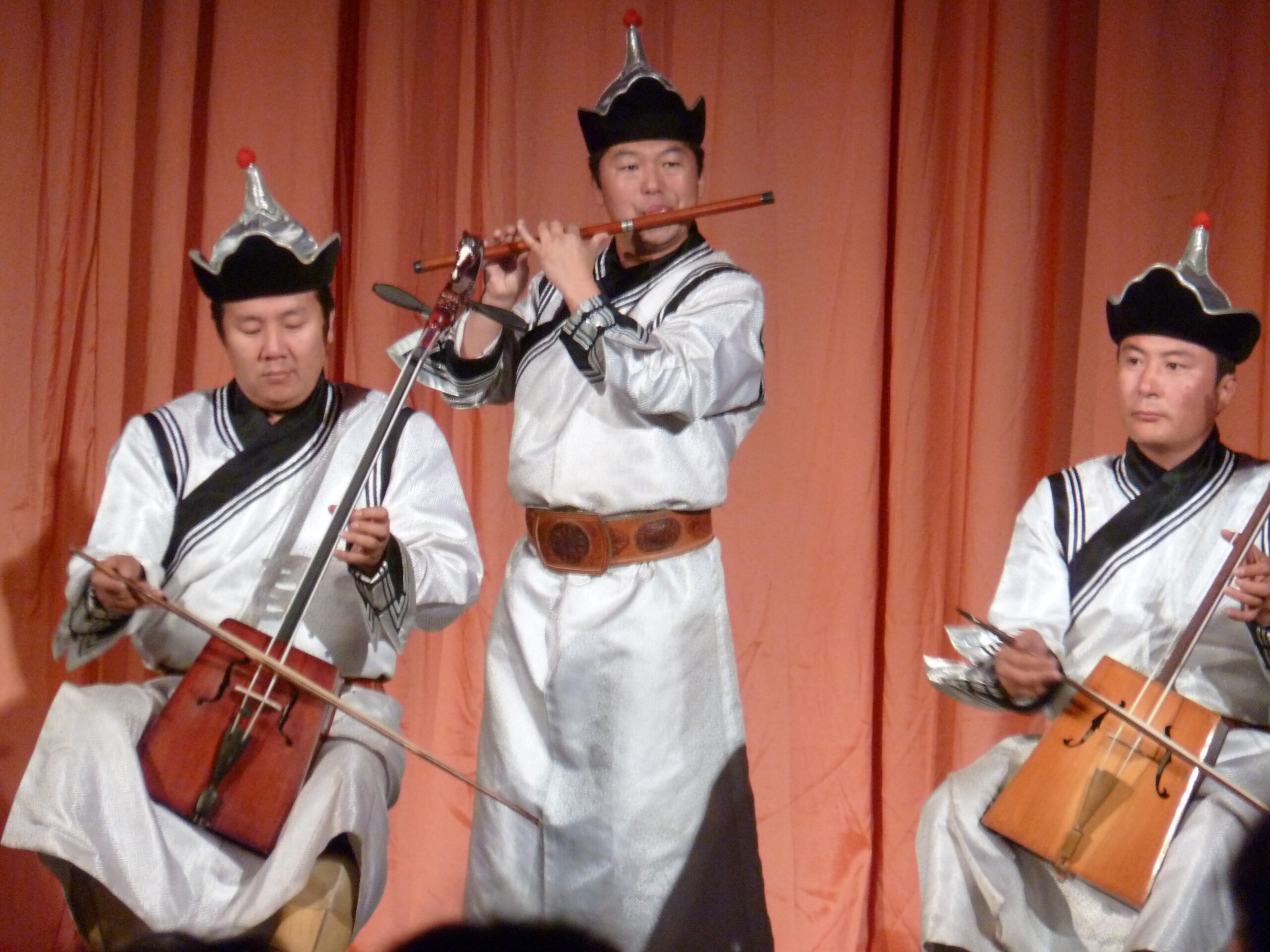
8. The musical technique of *limbe* flute playing – circular breathing: An element inscribed in 2011 on the List of Intangible Cultural Heritage in Need of Urgent Safeguarding.
The *limbe* flute is a transverse flute made of fine wood or bamboo, used to perform Mongolian long-song (*urtyn duu*) melodies. Thanks to the circular breathing technique, flautists can execute the continuous melodies characteristic of this vocal style. Musicians inhale through the nose while simultaneously expelling air stored in their cheeks through the mouth, thereby allowing them to play the flute without interruption. A single stanza of a long song typically lasts four to five minutes, and a song comprises three to five stanzas, requiring continuous flute playing for a period of twelve to twenty-five minutes. Traditional training methods to master this technique include exercises such as blowing on a candle flame for as long as possible without extinguishing it, or blowing through a straw into a glass of water. The *limbe* flute is characterized by its euphonious notes, melisma, and hidden melodies, as well as the skillful, delicate tongue and finger movements required to play it. A significant decline in the number of individuals and groups playing this instrument has left very few bearers of this musical tradition—a deeply concerning trend. This situation is partly due to the growing dominance of foreign musical forms and training systems. Today, only fourteen *limbe* flute specialists remain, rendering the frequency and scope of the instrument’s practice highly unstable. (UNESCO/ICH).
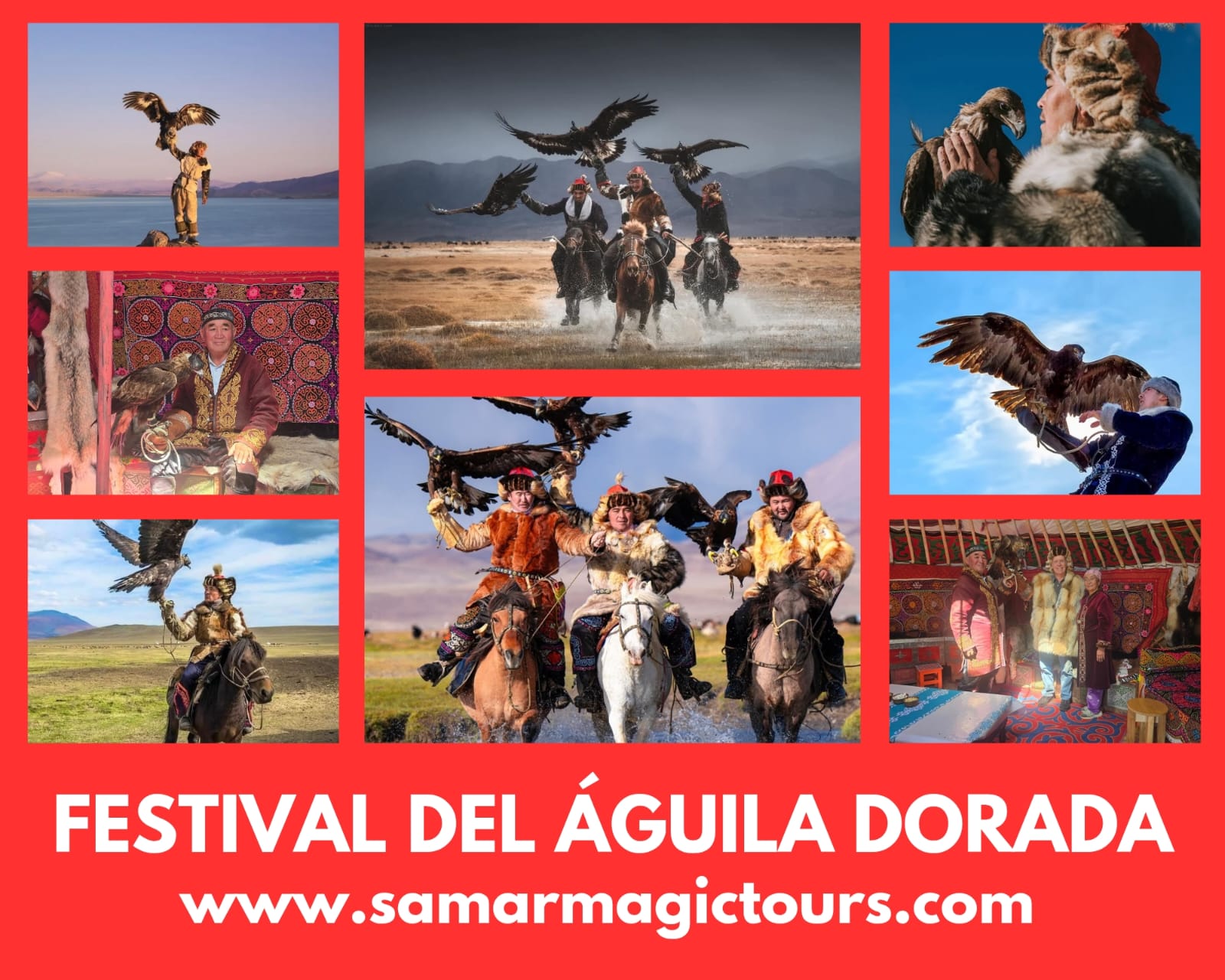
9. Falconry, a living human heritage: Intangible cultural heritage inscribed in 2011 (extended in 2012 and 2016).
The festival’s main event is eagle hunting, a tradition maintained for nearly 2,000 years. It takes place annually in late September and early October in Mongolia’s westernmost province, home to authentic Kazakhs and various ethnic minority groups. During the festival, locals bring more than 80 trained eagles to compete, along with their traditional costumes, falconry gear, and ornaments. We will learn about local Kazakh customs and the methods used to hunt foxes, rabbits, and other animals with golden eagles. This remote region offers spectacular views. A golden eagle lives in “captivity” for approximately 40 years; the hunter ages alongside his bird of prey, which is treated as a member of the family. This is an extreme journey that takes you far from civilization. The official opening ceremony begins with a parade of participants on horseback, accompanied by their eagles. The competition starts with each Kazakh displaying their hunting attire and accessories; the most elaborate and beautiful outfits and gear receive the highest marks. In the afternoon, the golden eagles are judged on speed and agility. The eagles are released from a cliff, and their owners stand below, signaling them to land on their arms just as they do during a hunt. Those demonstrating the fastest times and best technique achieve the highest scores. (UNESCO/BPI).
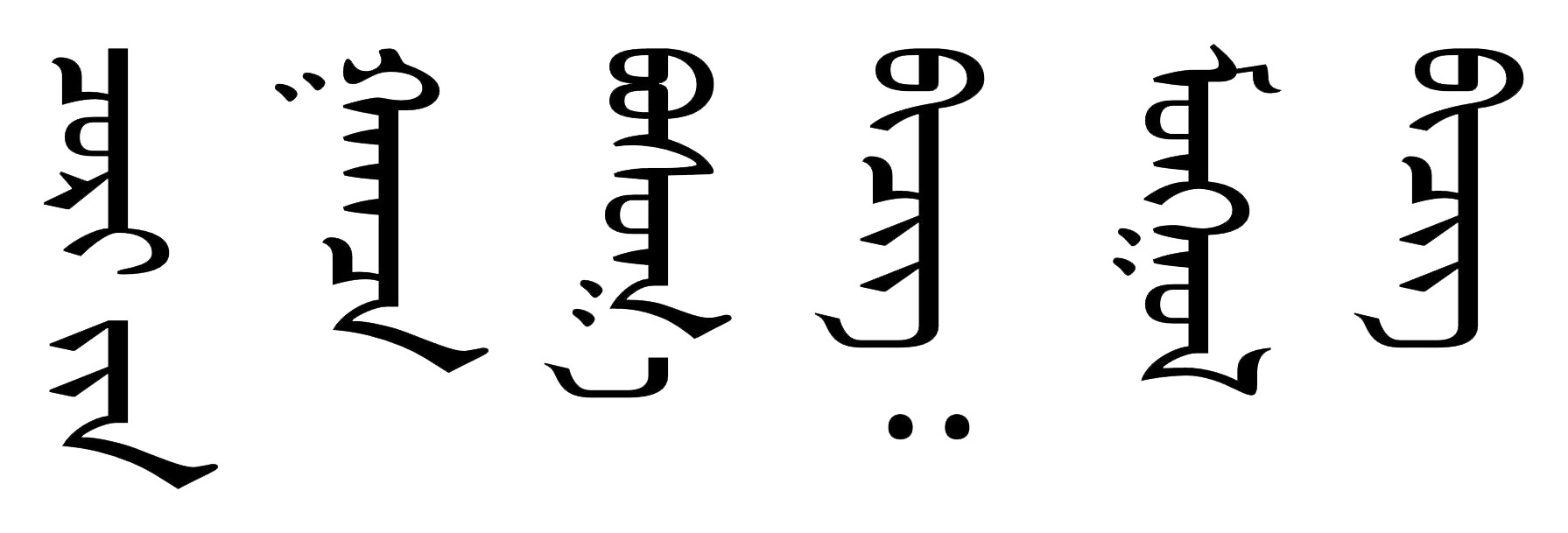
10. Mongolian Calligraphy: An intangible cultural heritage element inscribed in 2013 on the List of Intangible Cultural Heritage in Need of Urgent Safeguarding.
Mongolian calligraphy is a classical writing technique based on a set of ninety letters that are joined vertically with continuous strokes to form words. The letters are formed using six main strokes, known respectively as “head,” “tooth,” “stem,” “stomach,” “arch,” and “tail.” This type of writing is highly meticulous and is used for drafting official letters, invitations, diplomatic correspondence, and love letters. It is also employed for a form of shorthand known as “synchronous writing” and, in its “folded” form, is used for emblems, logos, coins, and seals. Masters of this art typically select their best students to become calligraphers after a training period lasting five to eight years. The bonds established between teachers and students last a lifetime, and they mutually encourage one another to perfect their artistic work. The rapid pace of societal transformation, urbanization, and globalization has resulted in a significant decline in the number of young calligraphers. Currently, there are only three mature university professors who voluntarily teach the art of calligraphy to a small group of about twenty young people. Furthermore, the rising cost of living makes it impossible for master calligraphers to continue teaching their art to future generations of young people without receiving any remuneration. Therefore, special measures must be adopted to attract young people to the practice of this traditional art of writing, as well as to safeguard and revitalize traditional Mongolian writing and calligraphy. (UNESCO/ICH).
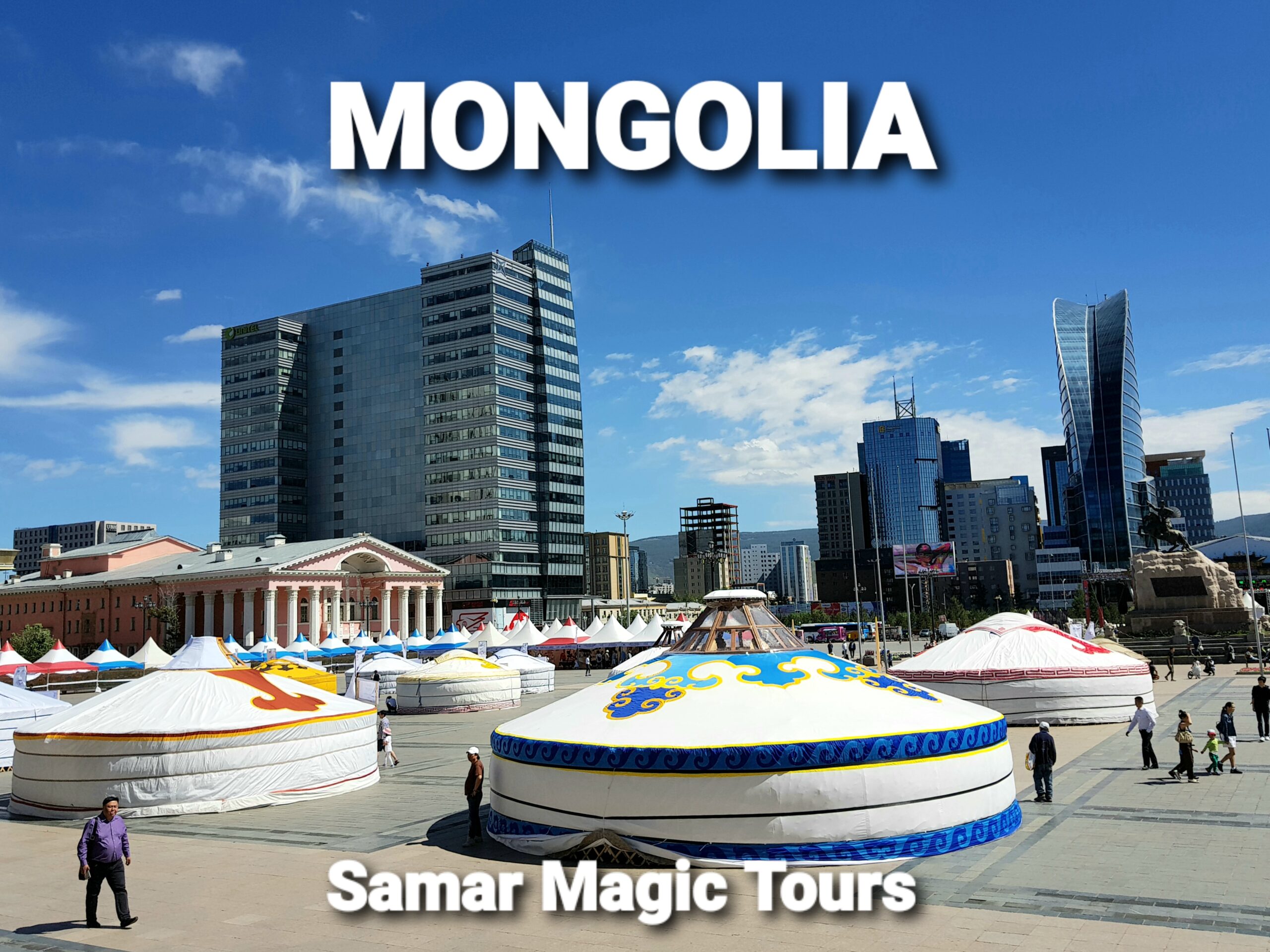
11. Traditional craftsmanship of the Mongol Ger and its associated customs: Intangible cultural heritage inscribed in 2013.
The Mongol Ger is a circular structure composed of wall sections, poles, and a roof, covered with felt and canvas that are tied and tensioned with ropes.
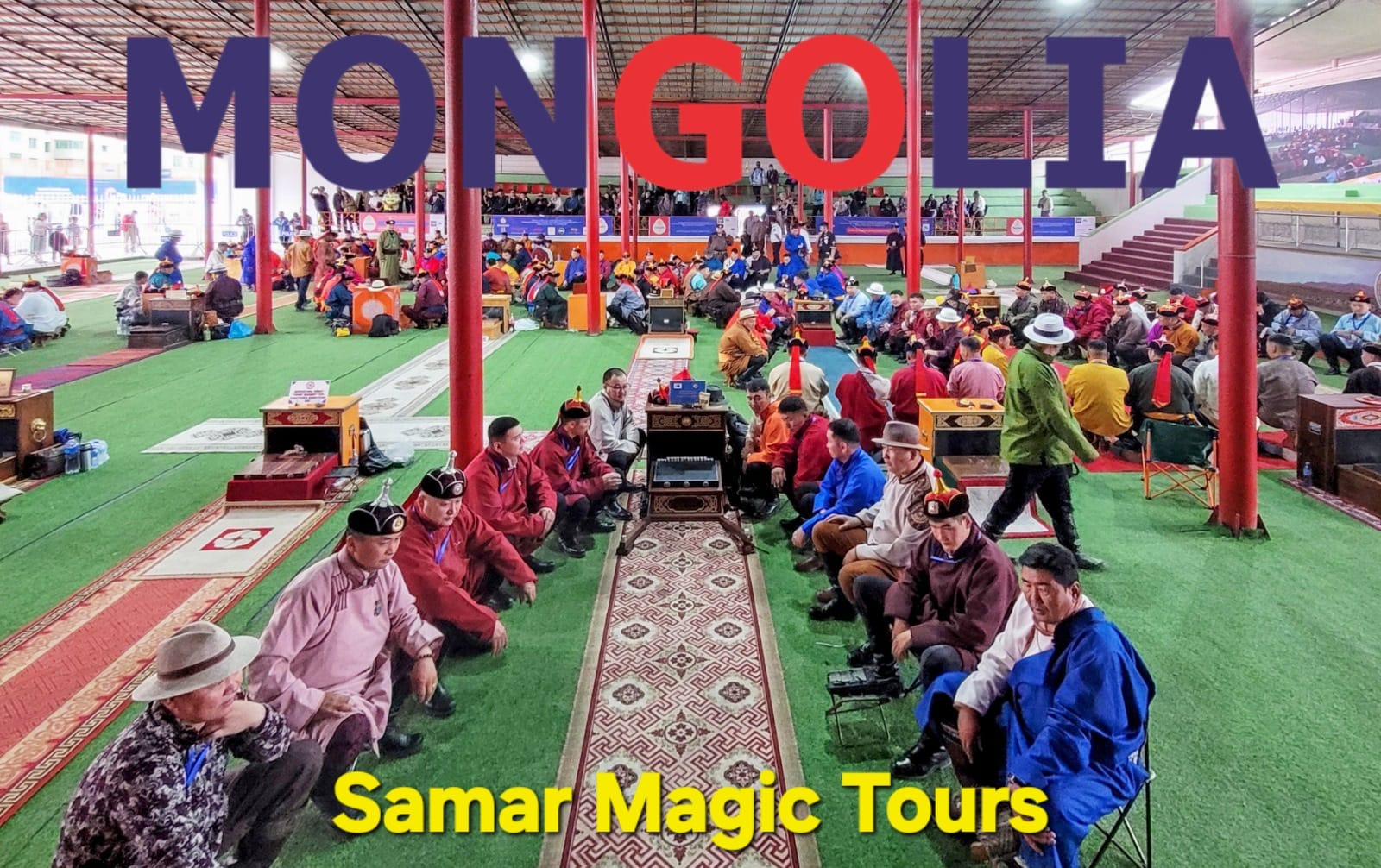
12. Mongolian Knucklebone Shooting:
Mongolians revere certain bones from their livestock, using them in religious rituals as well as in traditional leisure activities and games. Knucklebone shooting is one such popular traditional game, played in teams of six to eight members. On a smooth wooden board, players shoot thirty marble pieces— resembling dominoes—at a target made of ram knucklebones, aiming to land them within the designated target zone. While playing, the participants sing traditional melodies and songs associated with the game. Each team member possesses their own handcrafted playing equipment and wears an outfit featuring insignia that indicate their rank and achievements. The bonds of friendship forged among team members are unbreakable, and players are guided by codes of conduct rooted in dignity and mutual respect. The rituals, knowledge, and skills related to knucklebone shooting—as well as the techniques for crafting the instruments, accessories, and equipment—are passed down from masters to apprentices. The game fosters an environment where players learn from and assist one another, contributing to their team’s success, their own personal development, and the general well-being of society. This traditional game brings together people from diverse backgrounds, encourages interaction, promotes respect for others—particularly the elderly—and strengthens social cohesion. (UNESCO/BPI).
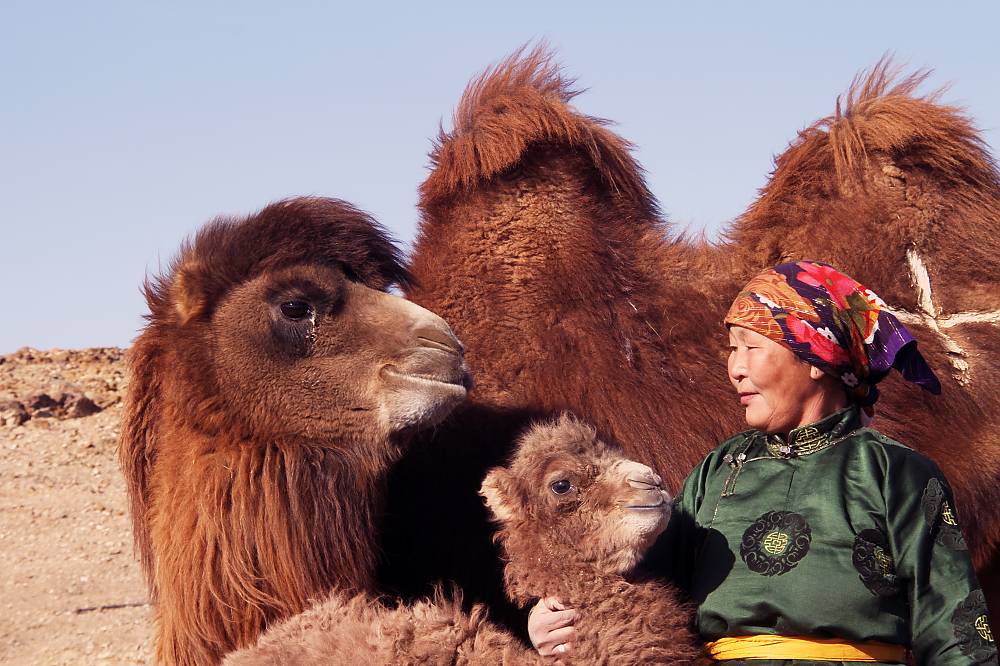
13. Ritual to tame camels in Mongolia: An element of intangible cultural heritage inscribed in 2015 on the List of Intangible Cultural Heritage in Need of Urgent Safeguarding.
Mongolian herders practice a ritual to tame female camels in order to encourage them to accept newborn or orphaned calves. Once the camel is tethered near the calf, a singer performs a monotonous melody accompanied by gestures and chanting. The tamer adjusts the melody based on the camel’s reaction— which may initially be aggressive—gradually calming the animal until it accepts the calf as its own. The ritual begins at dusk and requires great skill in handling camels, as well as in playing the flute or the *morin khuur* (a two-stringed fiddle topped with a horse’s head). While most Mongolian herders know how to apply these taming techniques and methods, professional tamers are sometimes called upon to perform the ritual when no singer or musician is available in the community. This ritual serves as a symbolic means of creating and maintaining social bonds among nomadic families and their communities. Parents and community elders transmit the practice to young people, offering guidance within the home. However, social and cultural changes have negatively affected the viability of this element of cultural heritage. Today, motorcycles are preferred over camels for transportation, and increasing migration to urban centers has led to a significant drop in the number of young herders. All of this has caused a rapid decline in the number of people who carry on this cultural practice, as new generations drift away from the traditional ties that once bound them to the pastoral way of life. (UNESCO/ICH).

14. Traditional Mongolian practices of worshipping sacred sites:
Traditional Mongolian practices of worshipping sacred sites emerged from the cultural context of nomadic life, characterized by a close bond between humans and the environment. Rooted in traditional shamanism, these practices are based on the belief in invisible deities associated with the sky, earth, mountains, and all elements of nature. Community elders teach young people how to participate in and conduct themselves during ceremonies honoring these deities. These religious practices instill a sense of community belonging and solidarity among believers, while also fostering an awareness of the interdependence between humans and the environment. The worship of sacred sites was among the cultural practices banned in Mongolia by the communist regime, a move that seriously jeopardized its viability. Determined efforts by authorities and communities to revitalize this element of cultural heritage still face various obstacles: the rapid pace of globalization and urbanization; the migration of herders from sacred regions to cities; the expansion of mining; and a drastic decline in the number of bearers and practitioners who possess the knowledge required to pass these traditions on to younger generations. Nevertheless, local communities are enthusiastic about reviving these traditions and transmitting the associated knowledge. In recent years, numerous temples have been restored, and favorable conditions have been created at the local level for holding worship ceremonies. (UNESCO/ICH).
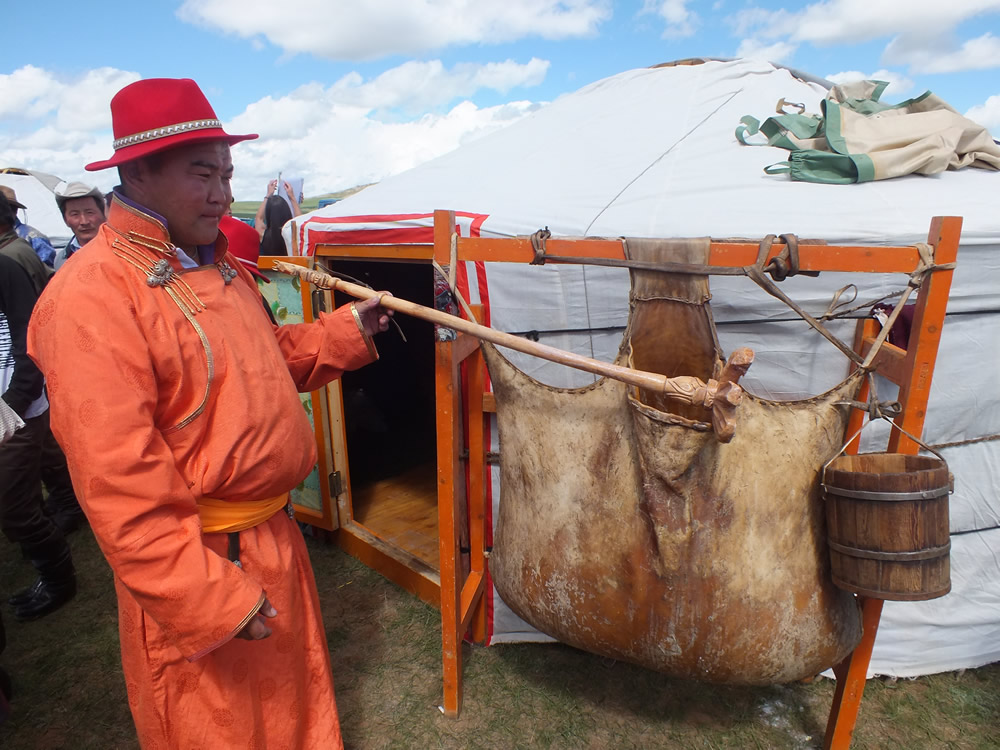
15. Traditional technique of preparing *airag* in a *khokhuur* and associated customs: Intangible cultural heritage element inscribed in 2019.
The process of preparing the fermented mare’s milk drink known as *airag* in a cowhide vessel (*khokhuur*)—using a dasher (*buluur*) and a churn (*khovoo*)—is a traditional custom accompanied by a series of rituals. *Airag* is Mongolia’s traditional national drink, made from fermented mare’s milk. The production process essentially involves allowing the freshly milked mare’s milk to cool; pouring it into the leather vessel, which already contains a small amount of previously prepared *airag* to act as a starter culture for fermentation; and then churning the mixture with approximately 500 rhythmic strokes of the dasher before transferring it to the churn. The *khokhuur* and other utensils are crafted by artisans who possess not only ancestral practical skills but also the knowledge required to prepare and preserve the dairy starter cultures. A nutritious and easily digestible drink, *airag* is a key part of the Mongolian diet and is also effective in treating certain ailments. It plays an essential role as a symbolic beverage in the daily lives of herding communities and during various social celebrations. It is used for libations, offerings, and ritual blessings during specific festivals. The bearers and practitioners of this element of living cultural heritage have inherited the relevant knowledge and practices from their ancestors, enabling them to keep the tradition alive for millennia. (UNESCO/ICH).
Source: WIKIPEDIA.